Reliable HVAC Contractor Services: Maintaining Your Home Comfortable Year-Round
A reliable HVAC contractor provides essential support in preserving a cozy home throughout the year. These professionals guarantee that heating, ventilation, and air conditioning systems function efficiently and effectively. Homeowners often ignore the significance of these offerings until problems arise. Recognizing the indicators that indicate a need for professional help can make a significant difference. What should homeowners think about when selecting the appropriate contractor for their needs?
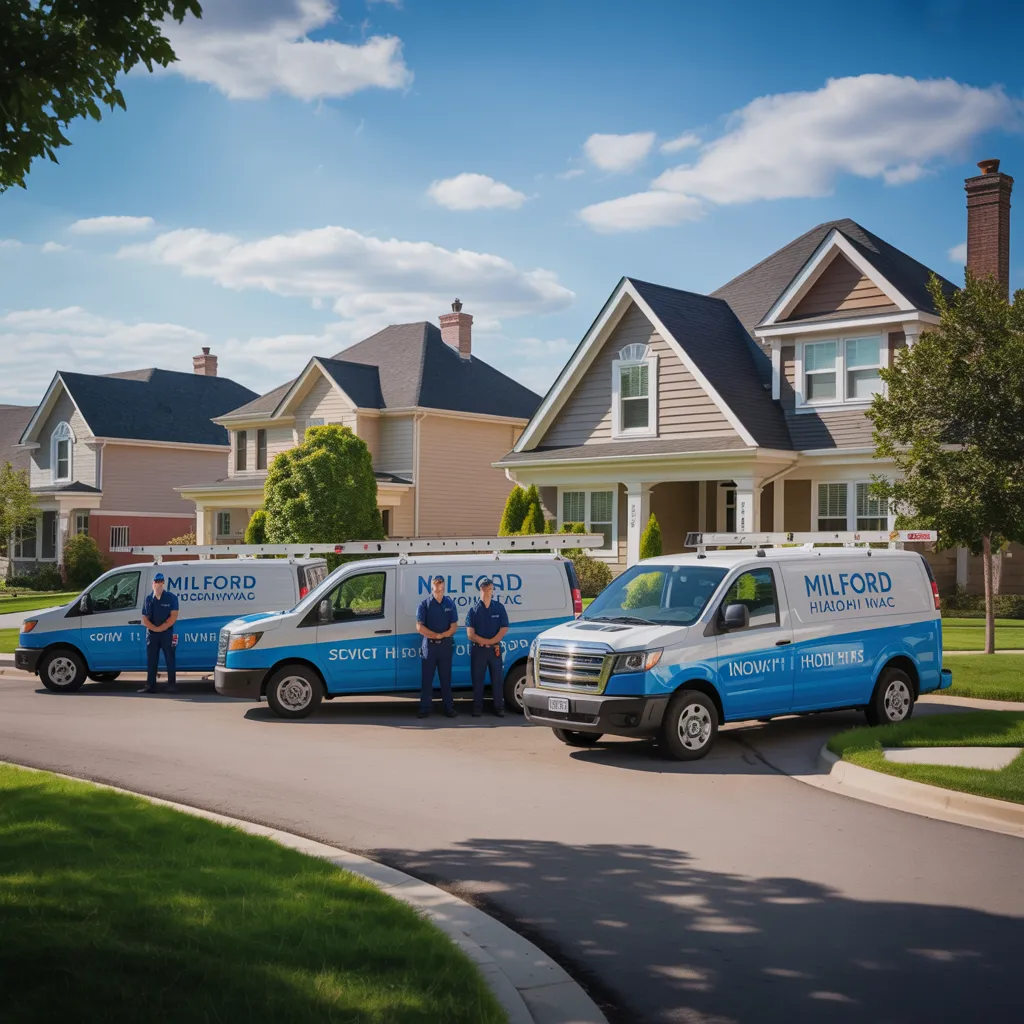
Why a Reliable HVAC Contractor Is Vital
How essential is it to find a trustworthy HVAC contractor? The significance of a seasoned specialist in heating, ventilation, and air conditioning cannot be downplayed. A reliable contractor guarantees that systems are properly installed, maintained effectively, and repaired quickly. This reliability directly influences the well-being and safety of a home. With changing temperatures, a operating HVAC system is vital for indoor air quality and energy efficiency.
Picking the right contractor reduces the likelihood of unexpected malfunctions and expensive restoration. A dependable HVAC contractor will also deliver skilled suggestions on system picking and energy-efficient solutions, supporting homeowners in reaching well-informed determinations. Periodic care from a reputable technician lengthens the useful life of the unit and strengthens functioning. As a result, allocating resources to finding a well-respected HVAC contractor is important for ensuring a cozy living setting throughout the year, ultimately furthering the welfare and satisfaction of the home.
Signs You Should to Call an HVAC Technician
Homeowners may encounter signals showing the need for expert air conditioning and heating help. Strange sounds from the system and inconsistent temperature control are often clear indicators of deeper problems. Recognizing these warning signs early can avoid further problems and expensive maintenance.
Strange Sounds Coming From Equipment
Unusual noises coming from an HVAC system can indicate underlying issues that require prompt attention. Common noises, such as rattling, grinding, or hissing, may suggest loose components, mechanical wear, or refrigerant leaks. A persistent clanking noise could suggest a malfunctioning fan or motor, while squealing might point to belt problems. Ignoring these noises can lead to more significant damage and costly repairs. Homeowners should not try to diagnose or fix these problems themselves, as doing so can exacerbate the problem. Instead, contacting a qualified HVAC professional is necessary for a thorough inspection and appropriate resolution. Timely intervention can restore system efficiency and maintain a comfortable indoor environment.
Variable Heat Management
How much more frustrating can an HVAC system be when it fails to maintain a stable temperature? Homeowners often experience swinging temperatures, causing discomfort and increased energy costs. This inconsistency can result from multiple issues, such as a broken thermostat, inadequate insulation, or blocked ducts. If particular rooms feel considerably different compared to others, it may indicate hidden problems requiring professional assessment. Surging energy bills may also suggest system inefficiencies, spurring deeper investigation. Ignoring these signs can cause additional complications and costly repairs. As a result, when struggling with inconsistent temperature control, it is prudent to call an HVAC professional to improve comfort and efficiency in the home.
Necessary HVAC Options for House Owners
Property owners must consider the essential HVAC services to maintain the efficiency and longevity of their systems. Maintenance plans that prevent issues, system installations that are efficient, and rapid emergency repairs are key elements that contribute to peak operation. Understanding these options can enable property owners to make wise choices concerning their HVAC needs.
Preventative Maintenance Strategies
Carrying out preventive maintenance programs is vital for ensuring optimal performance and long life of HVAC systems. These programs usually involve regular inspections, cleaning, and adjustments, which assist in identifying potential problems before they develop into expensive repairs. By arranging periodic check-ups, homeowners can boost energy efficiency, cutting utility bills while enhancing indoor air quality. Technicians typically monitor refrigerant levels, inspect ductwork, and clean filters to keep peak performance. Moreover, preventive maintenance can extend the lifespan of HVAC equipment, offering peace of mind and decreasing the risk of unexpected breakdowns. Homeowners who invest in these plans not only enjoy improved comfort but also protect their investment in the system, guaranteeing dependable operation year-round.
Quick and Efficient System Installations
A streamlined system installation plays an important role in strengthening HVAC efficiency and conservation. Skillfully installed heating, ventilation, and air conditioning systems guarantee ideal airflow, reducing energy use and lowering utility bills. Professionals review the unique needs of each home, selecting equipment that fits size specifications and local climate conditions. They also ensure that ductwork is hermetically sealed and insulated, thwarting energy loss. Sophisticated technologies, such as smart thermostats, can be integrated during setup for optimized control and efficiency. Likewise, honoring manufacturer guidelines and local building codes during installation ensures consistent performance and longevity of the system. Ultimately, homeowners profit from better comfort levels and a reduced environmental footprint when investing in efficient HVAC installations.
Timely Emergency Fixes
Dealing with an unexpected HVAC breakdown can be difficult, particularly during extreme weather conditions. Homeowners depend greatly on their climate control systems for comfort, making timely urgent repairs vital. Quick response times from HVAC technicians can prevent further deterioration and return operation, alleviating discomfort.
These experts are skilled at identifying problems efficiently, whether it's a broken heating system in winter or a broken air conditioner in summer. Their expertise ensures that repairs are completed properly the first time, reducing service interruptions. Additionally, many contractors provide 24/7 services, providing peace of mind for homeowners. By focusing on quick emergency maintenance, homeowners can keep consistent home comfort and safeguard their assets in HVAC systems.
Selecting the Perfect HVAC Contractor: Key Recommendations
How can homeowners ensure they choose the top HVAC contractor for their needs? First, investigating qualifications is essential. Homeowners should verify permits, coverage, and certifications to verify the contractor meets professional requirements. Reading online reviews and asking for referrals from loved ones or acquaintances can offer information into a contractor's standing.
Then, getting several quotes allows homeowners to compare pricing and services. It is critical to question about warranties and guarantees, as quality control can express the contractor's confidence in their work. Additionally, evaluating the contractor's experience with specific HVAC systems can be beneficial for specialized needs.
Communication remains indispensable; a skilled contractor will invest time to communicate options and respond to concerns plainly. Ultimately, appointing a contractor featuring clear pricing and lacking hidden fees can help avoid surprise expenses. By following these suggestions, homeowners can take informed action and guarantee their HVAC systems are in trustworthy care.
Why Ongoing HVAC Upkeep Matters
Regular HVAC servicing functions as a key role in supporting system performance and durability. By scheduling routine evaluations, homeowners can recognize and tackle potential issues before they turn into costly repairs. This proactive technique strengthens system capabilities and furthermore streamlines energy utilization, leading to lower utility bills.
In addition, routine maintenance helps enhance air quality in your home by ensuring that filters are kept clean and components function properly. A well-maintained system runs quietly and minimizes the probability of unexpected breakdowns during severe weather situations.
Additionally, abundant manufacturers require substantiation of regular maintenance to copyright assurance coverage, protecting the homeowner's investment. By stressing HVAC maintenance work, people can relish a agreeable living environment year-round while lengthening the lifespan of their heating and cooling systems. Ultimately, this diligence contributes to both comfort and cost savings as time goes on.
Understanding HVAC Systems: Key Points to Keep in Mind
Understanding HVAC units is vital for property owners pursuing effective climate control and comfort in their homes. HVAC, matching information which means heating, ventilation, and air conditioning, includes multiple components that work together to control indoor temperatures and air quality. Key elements consist of the furnace, air conditioner, ductwork, and thermostats, each serving an important function in preserving a comfortable environment.
Homeowners should take into account the dimensions and capability of their HVAC system to ensure peak performance; an oversized or undersized unit can lead to inefficiencies. Regularly changing filters and arranging professional inspections can prevent breakdowns and prolong the system's lifespan.
Furthermore, grasping energy efficiency ratings, such as SEER for air conditioners and AFUE for furnaces, can help homeowners make informed decisions when buying or replacing systems. Understanding of these factors contributes to a more pleasant, energy-saving home environment.
Why Consistent HVAC Services Reduce Your Expenses
Allocating resources in sturdy HVAC services can greatly reduce long-term costs for homeowners. Routine care and prompt repairs promise that HVAC systems run smoothly, which can substantially decrease energy bills. When systems are well-maintained, they operate at top performance, minimizing energy waste and extending the lifespan of the equipment.
Moreover, reliable contractors often provide assurances and protection on their services, delivering confidence and monetary safeguards against future issues. By tackling small concerns before they worsen, homeowners can avoid costly emergency repairs that often result from inattention.
Furthermore, energy-efficient upgrades recommended by trustworthy HVAC professionals can lead to significant cost reductions over time. These improvements not only enhance comfort but also support a reduced environmental impact. In sum, engaging reliable HVAC services is a proactive approach that ultimately delivers monetary advantages while guaranteeing a pleasant home setting year-round.
Frequently Inquired Questions
What Steps Should I Take to optimize My HVAC System's energy efficiency?
Improving HVAC system energy efficiency involves regular maintenance, duct sealing, upgrading to a smart thermostat, using high-efficiency filters, and ensuring adequate insulation. These measures collectively enhance performance, reduce energy consumption, and lower utility costs.
What Prevalent HVAC System Myths Do You Need to Avoid?
To avoid common HVAC falsehoods, don't believe that bigger units are always superior, that routine upkeep isn't important, or that closing vents boosts efficiency. Recognizing these false beliefs can lead to better operation and energy savings.
What Schedule Should I Use for Replacing My HVAC Components?
HVAC filters typically need to be swapped out every one to three months, based on usage and filter type. Routine servicing guarantees optimal system operation, improves air quality, and lengthens the lifespan of the HVAC unit.
What Affects the Duration of an HVAC System?
An HVAC system commonly lasts between 15 to 25 years, determined by factors like usage, maintenance, and quality of installation. Consistent upkeep can increase its lifespan, while lack of maintenance may lead to unexpected breakdown.
Can You put in an HVAC System on your own?
Establishing an HVAC system by yourself is feasible for knowledgeable individuals, yet it carries major risks. Correct installation necessitates technical expertise to ensure efficiency and safety, making professional help a recommended decision for peak efficiency and compliance with regulations.